
When your furnace starts making new or unusual sounds, it rarely happens without a reason. Kansas winters push heating systems hard, especially during cold snaps in Kansas City and Lawrence, and those extra demands can expose loose components, airflow issues, or mechanical wear. Some noises are harmless and part of normal operation, but others are signs of problems that can affect comfort, safety, and energy efficiency.
Quick Answer: Why Is My Furnace Making Noise? And When Is It a Sign of a Bigger Problem?
Most furnace noises come from airflow changes, expanding metal, or components wearing down over time. Sudden loud sounds, grinding, or gas-related smells usually point to issues that need professional attention right away. If the noise is new, getting worse, or paired with poor heating, it is a sign that your system needs an inspection.
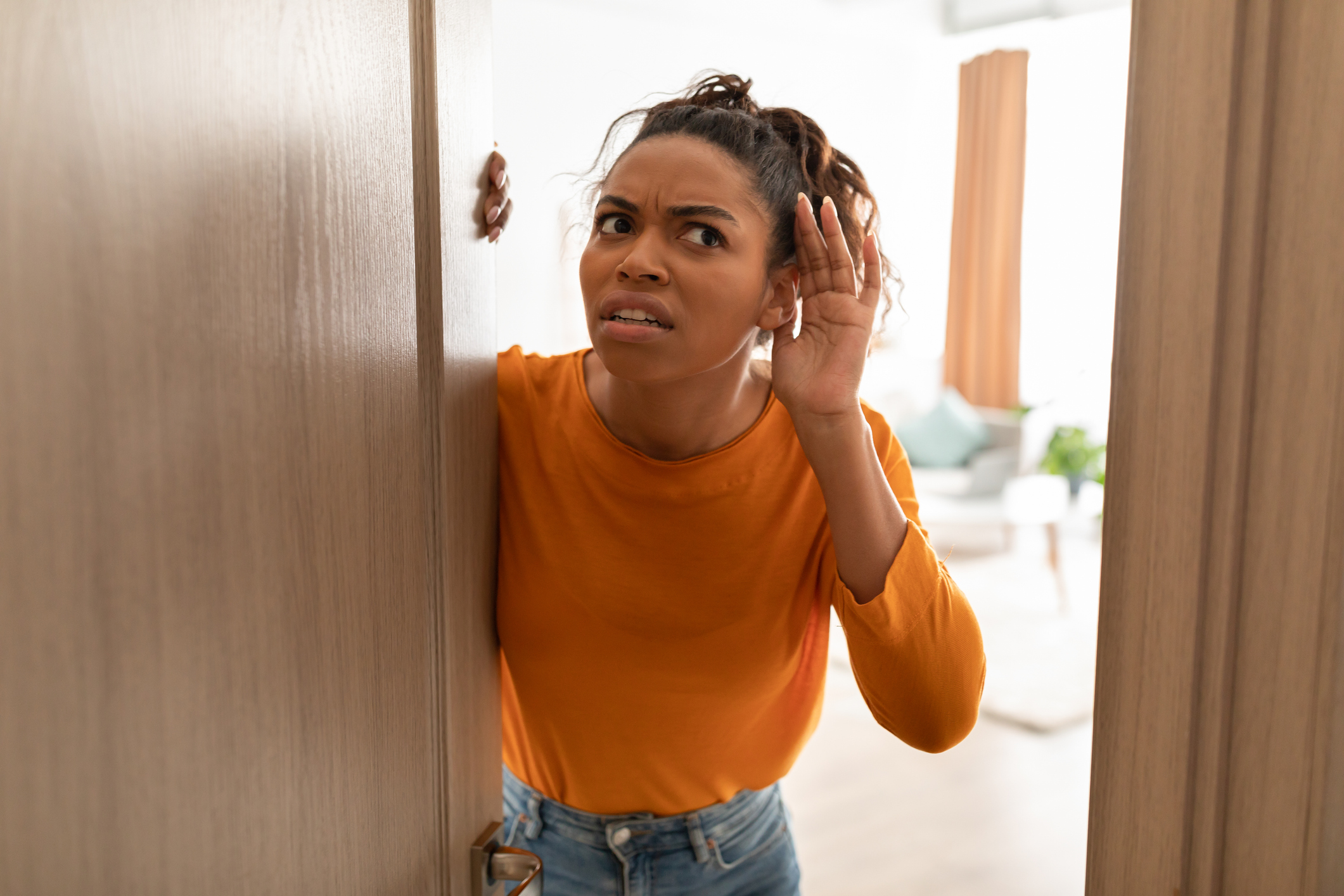
What Furnace Noises Are Normal vs. Not Normal?
Furnaces produce some sound during regular operation. A soft hum when the blower runs, a gentle click when the thermostat signals the system to start, or light airflow through vents usually indicates normal function. These sounds remain consistent and do not increase in intensity over time. Unusual noises tend to stand out quickly. Anything louder than usual, irregular, or paired with performance changes deserves attention. When a furnace shifts from steady operation to sudden banging or squealing, it often signals mechanical wear or airflow restrictions.
Common Furnace Noises and What They Usually Mean
Different sounds can point to different issues inside your furnace. Listening closely to when the noise occurs and how often it repeats can help you understand whether it’s a minor issue or something that requires service.
Banging or Booming
A loud bang or boom often occurs during ignition. This usually happens when gas builds up before lighting, which can result from dirty burners or delayed ignition. Ignoring this noise can lead to more serious damage and should prompt a professional inspection.
Rattling
Rattling sounds often point to loose panels, screws, or ductwork vibrating as the system runs. While the fix can be simple, the noise may also indicate internal components shifting out of place. If tightening visible panels doesn’t help, a technician should inspect the system.
Squealing or Screeching
High-pitched squealing typically comes from worn blower belts or motor bearings. These parts wear down over time and may eventually fail if left unaddressed. Early repairs can prevent a full blower breakdown and restore smooth airflow.
Whistling
Whistling often relates to restricted airflow. A clogged filter, closed vents, or duct leaks can force air through tight spaces, creating the sound. Fixing airflow problems early helps the furnace run efficiently and prevents added strain on components.
Clicking
Clicking noises usually happen during startup as the system cycles on and off. Occasional clicking can be normal, but frequent or repeated clicking may signal ignition trouble or thermostat communication issues.
Most Common Causes of a Noisy Furnace
Noisy furnaces often trace back to simple mechanical or airflow problems. Loose access panels or duct connections allow vibration to travel through the system. Dirty burners can cause ignition delays or uneven heating, which leads to banging sounds during startup.
Worn blower components also contribute to noise. Bearings, belts, and fan assemblies wear over time, especially when systems run constantly during Kansas winters. Airflow problems create another major cause. Clogged filters, blocked vents, or collapsed duct sections force the system to strain, which increases both sound and energy use.
Quick DIY Checks You Can Do Safely
You can take a few safe steps before calling for service. Start by checking the air filter. A clogged filter restricts airflow and creates strain, which often leads to noise. Replacing the filter can restore proper circulation and reduce stress on the blower. Next, inspect supply and return vents around your home. Furniture, rugs, or closed vents can restrict airflow and cause whistling or rattling. Adjusting these areas often improves performance quickly.
Thermostat settings also play a role. Incorrect fan settings or constant cycling can create extra wear and noise. Confirm the thermostat operates correctly and maintains steady heating cycles. Avoid deeper DIY repairs, as internal fixes can create hazards and worsen the problem.
When to Call a Pro Immediately
Certain furnace noises require urgent professional attention. Kansas winters can bring sudden temperature drops, and a failing furnace during a cold night in Kansas City or Lawrence can quickly become a safety concern.
Call a professional right away if you notice strong gas odors, burning smells, or loud grinding sounds. These signs may indicate combustion issues, overheating components, or electrical failures. Sudden loss of heat combined with noise also signals a developing system breakdown. Carbon monoxide risks increase when combustion problems occur. If you experience headaches, dizziness, or nausea along with furnace concerns, leave the home and seek immediate help.
24/7 Emergency
913-306-2058How Regular Maintenance Helps Prevent Furnace Noises
Routine maintenance keeps your furnace operating smoothly and quietly. During a professional inspection, our team will clean burners, tighten components, check airflow, and inspect motors and belts for wear. These steps prevent many of the noises you may notice during winter. Maintenance also improves efficiency. A clean, well-adjusted furnace runs with less strain, which reduces operating sounds and energy costs. Technicians can identify developing issues early, such as loose ductwork or worn parts, and correct them before they create bigger problems.
Kansas homes rely heavily on heating systems during cold weather. Preventive care ensures the system handles seasonal demand without sudden failures or unexpected noise. Regular service extends equipment life. Components last longer when they run under proper conditions, and homeowners avoid costly emergency repairs. A quiet furnace often reflects a well-maintained system working as designed.
Schedule Your Heating Diagnostic With Everest Heating, Cooling, Plumbing, and Rooter Today
Sounds often signal airflow problems, worn parts, or ignition issues that grow worse over time, especially during Kansas winters. Acting early protects your comfort and helps prevent unexpected breakdowns when temperatures drop. If your furnace has started making unusual sounds or your home feels less comfortable than usual, we can help. Our team will identify the source of the noise and recommend the right solution for your home. Schedule your heating diagnostic with Everest Heating, Cooling, Plumbing, and Rooter today.